
Crayola Secures Trade Mark for Iconic Crayon Scent
Date: 25 September 2024
Author: Tyrone Walker - Genuine People
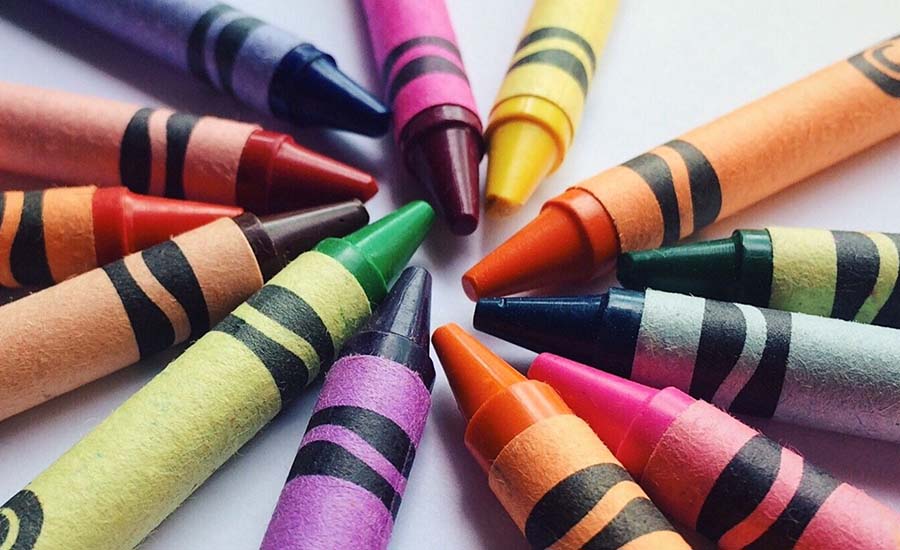
In a unique development in the world of trade marks, Crayola has recently secured legal protection for the distinctive smell of its crayons. The United States Patent and Trademark Office (USPTO) officially granted Crayola a trade mark for the scent described as "slightly earthy soap with pungent, leather-like clay undertones" in July 2024. This landmark decision allows Crayola to protect the aroma that has become synonymous with childhood creativity and school memories.
A Scent That Sparks Childhood Memories
Crayola's CEO, Pete Ruggiero, believes the smell of Crayola crayons holds a powerful connection to childhood. "That Crayola smell evokes strong memories," Ruggiero said, hinting at the potential to use the scent in stores to enhance customer experiences.
The Road to Trade Mark Approval
Crayola's journey to securing the scent trade mark began in 2018 when the company first filed with the USPTO. Initially, the application was denied, but Crayola persevered and won on appeal, successfully proving the distinctiveness of the scent. This achievement aligns Crayola with other iconic brands like Play-Doh, which also secured a trade mark for its unique aroma in 2018.
Challenges in Securing Scent Trade Marks
Trade marking scents is a complex process, as the USPTO requires evidence that the smell is distinctive and non-functional to the product. This means the scent should not serve a practical purpose beyond brand recognition. Crayola faced challenges in proving that the crayon scent was not a functional aspect of the product but rather a unique identifier for the brand. After a lengthy battle, Crayola's efforts paid off, allowing them to join a select group of companies with registered scent trade marks.
The Future of Sensory Branding
With this new trade mark, Crayola can prevent competitors from using similar scents in their products, solidifying the connection between the distinctive crayon smell and the Crayola brand. This achievement not only highlights the power of sensory trade marks but also opens the door for more companies to explore the potential of scent as a brand identifier.
Crayola's success demonstrates that while scent trade marks are rare and challenging to obtain, they offer a unique way for brands to connect with consumers on an emotional level, reinforcing brand loyalty through sensory experiences.